



Dealing with flood damage in Huntington, WV, can be overwhelming, but with the right approach, you can restore your property efficiently and prepare for future incidents. Here’s a comprehensive guide to help you navigate through assessment, cleanup, restoration, insurance claims, and future preparedness.
Understanding Flood Damage in Huntington, WV
Huntington’s geographical location along the Ohio River, combined with frequent heavy rains and seasonal weather changes, makes it particularly vulnerable to flooding. Factors such as river overflow, flash floods, and saturated ground conditions often contribute to local flood events.
Key Factors Contributing to Flood Damage
Several elements contribute to Huntington’s flood risks:
- Heavy Rainfall: Intense storms can lead to rapid water accumulation. For instance, on May 6, 2022, Huntington experienced over 4 inches of rain in just a few hours, resulting in significant flooding.
- Proximity to Water Bodies: Being near the Ohio River increases the likelihood of overflow during heavy rains.
- Urban Infrastructure: Older drainage systems may struggle to handle excessive water, leading to backups and localized flooding.
Common Types of Flood Damage
Flooding can impact various aspects of your property:
- Structural Damage: Water can weaken foundations, walls, and flooring.
- Electrical Systems: Exposure to water poses risks of short circuits and fire hazards.
- Mold Growth: Persistent moisture creates an environment conducive to mold and mildew, affecting indoor air quality.
Seasonal Patterns and Flood Risks
Huntington faces heightened flood risks during certain times:
- Spring and Summer: Increased rainfall can lead to river overflows and flash floods.
- Winter Thaws: Melting snow combined with rain can saturate the ground, reducing its ability to absorb additional water.
Assessing Flood Damage
After a flood, it’s crucial to thoroughly evaluate the extent of damage:
- Safety First: Ensure the property is safe to enter, checking for structural integrity and shutting off utilities if necessary.
- Document Everything: Take detailed photos and notes of all damages for insurance purposes.
- Consult Professionals: Engage experts to identify both visible and hidden damages, such as moisture behind walls or compromised electrical systems.
Comprehensive Cleanup Strategies
Effective cleanup involves several key steps:
- Water Extraction: Prompt removal of standing water is vital to prevent further damage.
- Drying and Dehumidification: Use specialized equipment to thoroughly dry affected areas, mitigating mold risks.
- Debris Removal: Safely dispose of water-damaged materials and debris.
- Sanitization: Clean all surfaces with appropriate disinfectants to eliminate contaminants.
Insurance Options and Claims Process
Navigating flood insurance is essential:
- Flood Insurance Requirements: Homes in high-risk flood zones with federally backed mortgages are required to have flood insurance.
- Filing a Claim: Notify your insurer promptly, provide detailed documentation of damages, and work with adjusters to assess the loss.
- Common Challenges: Delays and disputes over coverage are common; maintaining thorough records and understanding your policy can aid in resolving issues.
Preparing for Future Flood Events
Mitigate future risks with proactive measures:
- Emergency Response Plan: Develop a plan outlining evacuation routes, emergency contacts, and safety protocols.
- Flood Prevention Investments: Consider installing sump pumps, backflow valves, and elevating utilities to reduce potential damage.
- Stay Informed: Regularly monitor local weather alerts and flood warnings to stay prepared.
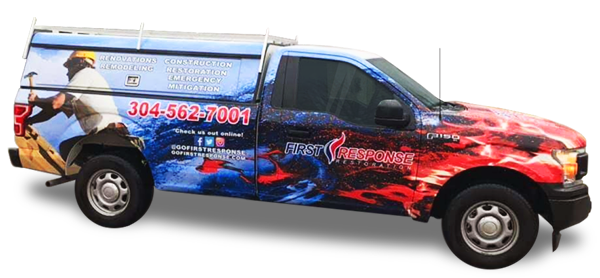
Trust First Response Restoration for Flood Damage in Huntington, WV
Flood damage can leave lasting effects on your home, finances, and peace of mind—but you’re not alone in the recovery process. Whether you’re dealing with standing water, structural instability, or mold, fast and professional service makes all the difference.
If you’re facing water damage or want to be better prepared for future flooding, contact First Response Restoration today at 304-562-7001. We’ll help you recover faster—and stronger. We’ll help you recover faster—and stronger.