


Introduction
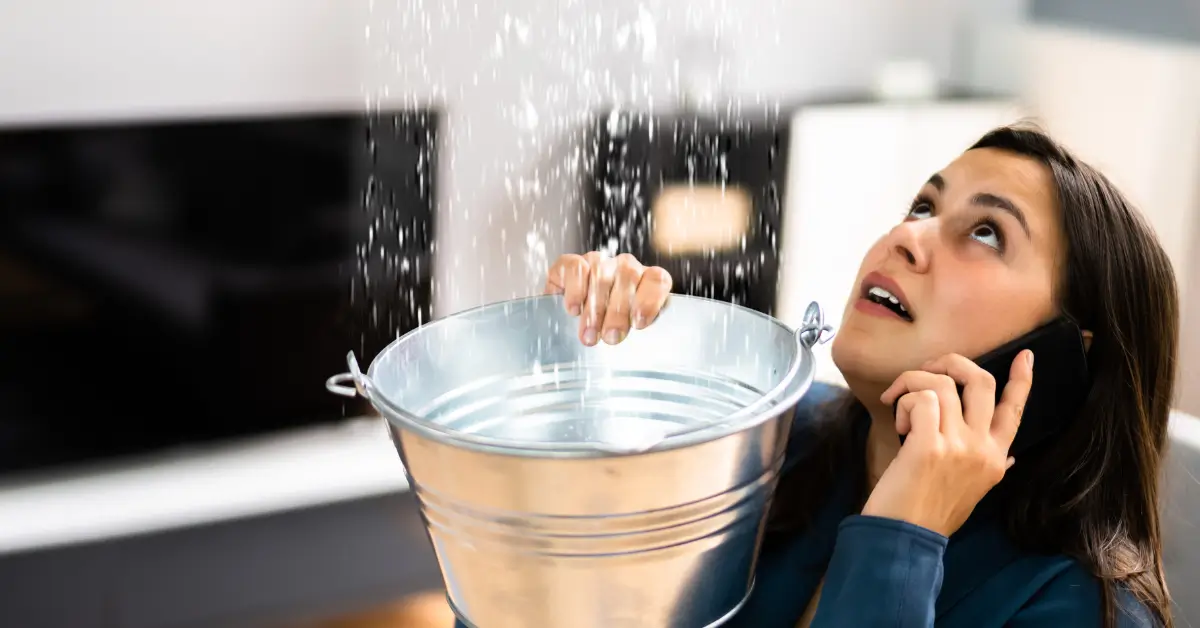
Water rarely waits for a convenient moment. In West Virginia, where winter freezes can rupture pipes and summer thunderstorms can drop inches of rain in minutes, water damage often strikes at night or during the weekend. Imagine waking up in Huntington to the sound of rushing water after your water heater fails, or returning to your Charleston office on Sunday to find a burst sprinkler has soaked the carpet. Because moisture quickly seeps into drywall, flooring and insulation, every hour that passes increases the likelihood of structural damage and mold growth. That’s why you need a water damage restoration partner who is ready around the clock.
Why 24/7 Response Matters
Time is the enemy when it comes to water damage. The U.S. Environmental Protection Agency warns that mold can begin growing within 24–48 hours of water exposure. Water also migrates beyond the initial spill, wicking up drywall, saturating insulation and seeping under floorboards. If left unaddressed, this moisture can warp wood, rust metal and weaken the structural integrity of your home. Oklahoma Disaster Restoration explains that professional water damage companies offer 24/7 emergency services, ensuring help is available whenever needed. Rapid response is crucial because it stops the source, extracts water and begins drying before damage escalates.
In West Virginia’s rural areas, delayed response can be particularly costly. Many homes sit on hillsides or in low‑lying valleys near rivers like the Kanawha or Monongahela. Floodwaters can rise quickly, cutting off roads and lengthening travel times. Having a locally based restoration team with multiple dispatch points across the state reduces travel time compared to out‑of‑state franchises. First Response Restoration maintains crews in Charleston, Beckley and Parkersburg so that they can reach remote communities even in the middle of the night.
What to Expect from an Emergency Service
When you call a 24/7 water damage hotline, the process begins immediately. A trained dispatcher will ask a few questions—location, type of water (clean, gray or contaminated), and whether the source has been stopped. They will advise you to turn off the water main if necessary and help you assess safety risks, such as whether electricity should be shut off. Then they’ll dispatch a certified crew equipped with pumps, extractors, air movers and dehumidifiers.
Upon arrival, technicians perform a comprehensive assessment. They inspect the affected areas, measure moisture levels using meters and thermal cameras, and develop a drying plan. According to industry guidelines, they should use commercial pumps and wet vacuums to remove standing water, then deploy industrial dehumidifiers and high‑speed air movers to rapidly dry structures. The team may remove baseboards, drill small holes in drywall to release trapped moisture or tear out saturated carpets and padding. Throughout the process, they document everything with photos and moisture readings for insurance purposes.
Choosing a 24/7 Restoration Company
Not all restoration companies are created equal. When evaluating your options, consider the following criteria:
- Certification and training: Ensure technicians are certified by the Institute of Inspection, Cleaning and Restoration Certification (IICRC) or similar bodies. Certified professionals follow industry standards for water damage restoration, mold remediation and structural drying.
- Local presence: Choose a company with offices in West Virginia, not just a call center. Local teams understand regional risks—such as freeze‑thaw cycles in the mountains or the flood history along the Ohio River—and can arrive quickly.
- Advanced equipment: Ask whether they use industrial dehumidifiers, high‑powered air movers, moisture meters and infrared cameras to detect hidden moisture. Specialized equipment speeds up drying and ensures that no dampness remains behind walls.
- Insurance assistance: Water damage often involves insurance claims. A reputable company will help you document damages, communicate with adjusters and provide invoices that meet insurer requirements.
- Transparent pricing and response times: Emergency services can be costly, so choose a company that provides clear estimates and explains what qualifies as an emergency. Ask about service call fees and whether they charge extra for nights or weekends.
By vetting companies ahead of time and saving their number in your phone, you’ll be ready when an emergency occurs.
How First Response Restoration Stands Out
As a locally owned water, fire and mold remediation company, First Response Restoration combines statewide reach with community values. They maintain crews in Charleston, Morgantown and Huntington, enabling them to respond to calls anywhere in West Virginia within a short time frame—day or night. Their IICRC‑certified technicians use advanced tools such as infrared thermal imaging to identify hidden moisture, desiccant dehumidifiers that operate effectively even in cool basements, and air scrubbers that remove airborne contaminants. These technologies are critical because they ensure that drying is thorough and prevent long‑term damage or mold growth.
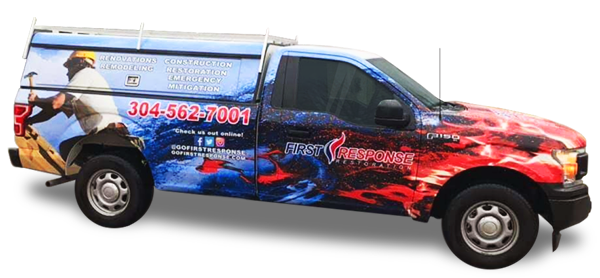
Beyond technology, First Response prides itself on compassionate service. Technicians arrive in clearly marked trucks and uniforms, explain the process in simple terms and treat your home or business with respect. They also assist with insurance claims, providing detailed moisture maps, daily progress reports and documentation that adjusters need to approve coverage. Because the company is based in West Virginia, it understands the unique challenges of our state’s older housing stock and variable weather patterns.
Steps to Take While Waiting for Help
Even with a fast response, there may be a gap between discovering the damage and the arrival of technicians. Taking the right actions during this time can minimize secondary damage:
- Ensure safety: If water is near outlets or the electrical panel, turn off the electricity to affected circuits. Ready.gov advises avoiding contact with electrical equipment while standing in water and turning off electricity if it is safe. If you smell gas or see downed power lines, evacuate and call emergency services.
- Stop the water source: Shut off the main water valve if a pipe burst. For appliance failures or roof leaks, turn off the supply line or place a bucket beneath the leak to contain water until professionals arrive.
- Protect valuables: Remove electronics, important documents and heirlooms from affected areas. If furniture is too heavy to move, place aluminum foil or wood blocks under the legs to prevent further saturation.
- Document everything: Take photos and videos of the damage and standing water. Jenkins Restorations advises homeowners to document the value of each damaged item and keep track of all repairs and receipts.
- Avoid DIY drying mistakes: You may be tempted to set up household fans, but they are often insufficient and can drive moisture deeper into building materials. Professional equipment is designed for large‑scale water removal and humidity control.
These simple steps will help you preserve evidence for insurance and reduce the extent of damage while the professionals are on their way.
Frequently Asked Questions
How much does emergency water damage restoration cost? Costs vary depending on the extent of damage, the size of the affected area and the category of water. Most companies charge an emergency service fee for after‑hours calls. However, delaying service can result in higher costs due to mold remediation or structural repairs.
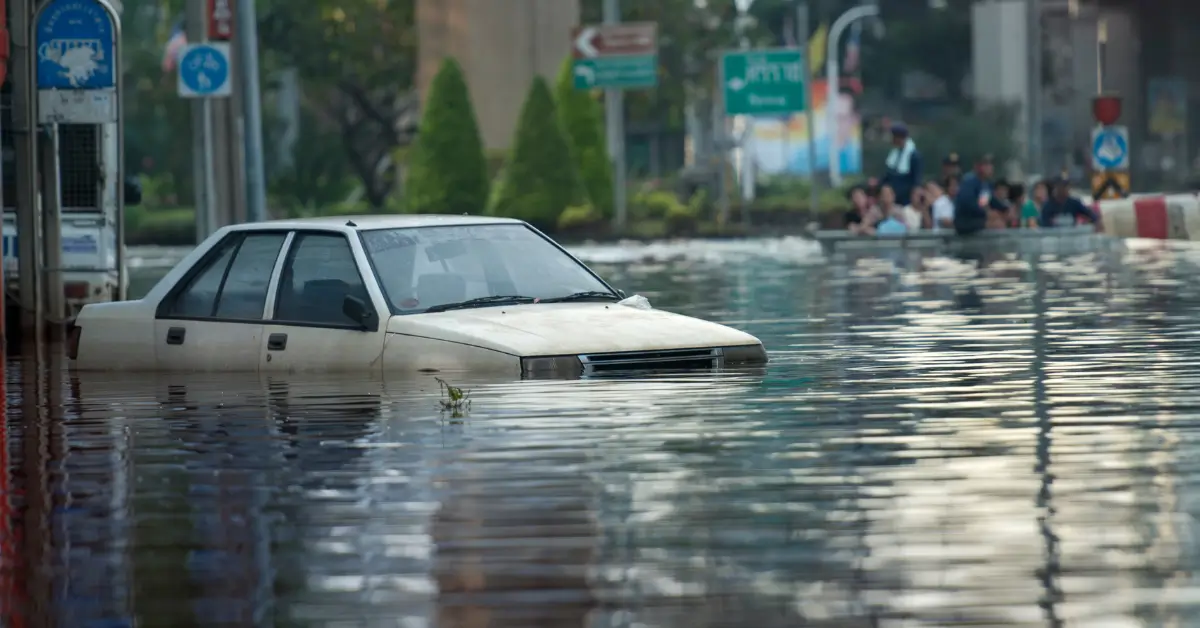
Will my homeowners insurance cover emergency restoration? Homeowners policies typically cover sudden and accidental water damage (e.g., burst pipes or appliance leaks), but they may exclude flooding from rivers or heavy rains. Flood damage requires separate flood insurance. Contact your agent for details and call a professional early; insurance companies expect you to take steps to mitigate damage.
How long will the restoration take? The drying process can take anywhere from a few days to over a week, depending on the severity of the damage, the materials affected and the drying conditions. Professionals use moisture meters to monitor progress and remove equipment only when the structure is dry to pre‑loss conditions.
Conclusion and Call to Action
Water disasters don’t follow a nine‑to‑five schedule, and neither should your restoration partner. In West Virginia, where storms, old pipes and remote locations can exacerbate water damage, a 24/7 response is essential. By understanding why rapid action matters, knowing what to expect from an emergency service and choosing a certified local company, you can protect your property and your health. First Response Restoration is always on call to help residents and businesses across Charleston, Huntington, Morgantown and beyond. Save their number now so that when disaster strikes, you’re ready to act—and let the experts handle the rest.