



Introduction
Water damage doesn’t go away on its own. That small drip under the sink, the stain on your ceiling or the damp basement corner are warning signs, not mere nuisances. Ignoring these issues can turn what might have been a minor repair into a health hazard and a financial nightmare. In West Virginia, where humidity and aging infrastructure exacerbate moisture problems, procrastination is particularly risky. Let’s examine the hidden costs of ignoring water damage and why timely action is the best policy.
Health Risks
The most immediate consequence of unchecked water damage is mold growth. Mold spores exist everywhere, but they only germinate on moist surfaces. The EPA warns that mold can begin growing within 24–48 hours. Exposure to mold can cause allergic reactions, asthma attacks and irritation of the eyes, skin and throat. For individuals with compromised immune systems or chronic respiratory conditions, mold exposure can lead to severe infections. Children and older adults are particularly vulnerable.
In addition to mold, stagnant water can harbor bacteria, viruses and parasites, especially if the source is sewage or floodwater. Inhaling or touching contaminated materials can result in gastrointestinal illness, skin infections or respiratory problems.
Structural Damage
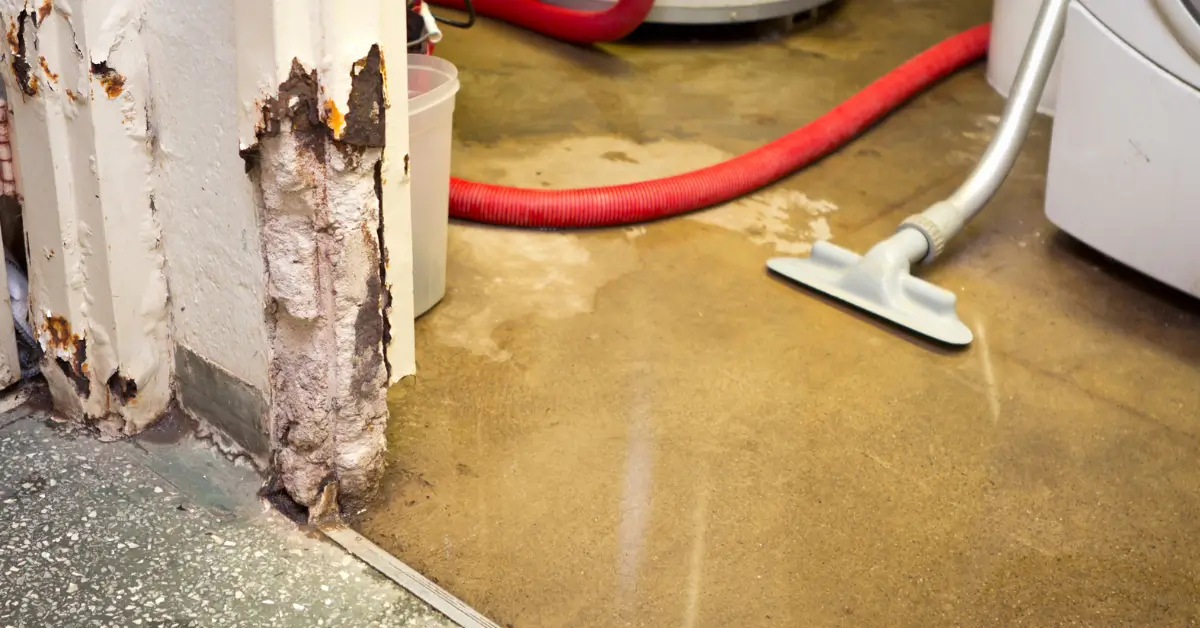
Water weakens building materials over time. Wood absorbs moisture, leading to rot, swelling and loss of structural integrity. Drywall becomes soft and crumbly, sometimes collapsing. Plywood delaminates, and steel components corrode. Nevada Water and Fire Restoration notes that structural damage is a common consequence of neglected water damage. Left unchecked, this deterioration can compromise load‑bearing walls, floors and roofs, leading to costly repairs or even making the home unsafe to inhabit.
Electrical Hazards

When water infiltrates wiring, outlets or electrical panels, it poses a serious hazard. Short circuits can cause shocks or start fires. Damaged insulation on wiring may lead to arcing. NV Water and Fire warns that water damage can result in electrical hazards. Ignoring dampness near electrical systems invites catastrophe.
Pest Infestations
Damp conditions attract pests. Termites and carpenter ants thrive in moist wood. Cockroaches, silverfish and rodents are drawn to damp basements and wall cavities. These pests not only cause further damage but also carry diseases. Nevada Water and Fire lists pest infestations as a consequence of water damage.
Increased Repair Costs
Delaying repairs multiplies expenses. A small leak under a sink might cost $150 to fix if addressed promptly. Letting it persist can rot the cabinet, damage the subfloor and allow mold to spread, leading to a $5 000 remediation bill. Nevada Water and Fire emphasises that ignoring water damage escalates costs. Insurance deductibles apply each time you file a claim, so multiple repairs may not be covered. Moreover, insurers may deny claims if they determine that you failed to mitigate damage.
Decline in Property Value
Water damage and mold carry a stigma. Prospective buyers may lower offers or walk away entirely if they smell musty odors or see water stains. In competitive real estate markets, a history of water damage can reduce your home’s value by 10–20 percent. Even after repairs, evidence of past problems may require you to disclose prior damage, influencing buyer perceptions.
Insurance Claim Complications
Homeowners insurance typically covers sudden and accidental water damage (like a burst pipe), but not gradual damage caused by neglect. If you ignore a slow leak for months, your insurer may deny coverage on the grounds that you failed to act. Insurers expect policyholders to take reasonable steps to mitigate damage. Failure to do so can result in reduced payouts or cancelled policies. Without professional documentation of timely mitigation, proving your case becomes difficult.
The Value of Immediate Professional Intervention
The simplest way to avoid these costs is to act quickly. As soon as you notice signs of water damage—discoloration, musty smells, peeling paint—turn off the water source, document the damage and call a professional restoration company. Certified technicians will locate the moisture source, dry the area thoroughly and apply antimicrobial treatments. They can also assess and repair structural damage before it escalates. In many cases, insurance will cover professional restoration, leaving you responsible only for the deductible.
Conclusion
Ignoring water damage is a gamble that rarely pays off. Health problems, structural decay, electrical hazards, pest infestations, soaring repair bills, lost property value and insurance nightmares are the costly outcomes of procrastination. In West Virginia’s climate, moisture problems tend to worsen quickly, making prompt action essential. Protect your home and family by addressing water issues immediately and enlisting professional help. First Response Restoration offers fast, comprehensive water damage mitigation and restoration throughout the state. Don’t wait—take control now and avoid the high price of inaction.