



Introduction
When water spills across your floor, the instinctive reaction is to grab towels, a mop and maybe a shop vacuum. Many homeowners in West Virginia pride themselves on self‑reliance and prefer to handle problems personally. After all, why pay for professional help if you can do it yourself? While DIY cleanup may seem cheaper, it often leads to hidden costs and lingering damage. Let’s explore why do‑it‑yourself water damage repair is usually insufficient and how hiring professionals protects your home, health and wallet.
Limitations of DIY Equipment and Techniques
Household tools are simply not designed to handle large volumes of water or penetrate building materials. AdvantaClean’s experts note that homeowners frequently make mistakes such as using household fans, neglecting hidden moisture and failing to remove wet materials. Shop vacuums can pick up standing water but have limited capacity and may not be safe for contaminated water. Box fans circulate air but lack the velocity to drive evaporation deeply into walls and floors. Dehumidifiers sold at big‑box stores remove only a fraction of the moisture that industrial units can, prolonging drying time.
Another major limitation is lack of detection tools. Moisture often hides behind drywall, under flooring and inside structural cavities. Without moisture meters or infrared cameras, you cannot know whether materials are truly dry. Surface dryness can be deceptive; moisture may linger inside studs and insulation, creating a breeding ground for mold.
Health and Safety Hazards

Water damage isn’t just wet—it can be hazardous:
- Contaminated water: Water from sewage backups, flooding or overflows can contain pathogens, chemicals and debris. Exposure can lead to gastrointestinal illness, skin infections and respiratory problems. DIY cleaners without proper protective equipment risk exposure.
- Mold exposure: Mold can begin growing within 24–48 hours of water damage. Without thorough drying and antimicrobial treatment, mold spores can spread, causing allergies, asthma attacks and other health issues.
- Structural collapse: Wet drywall and flooring lose strength. Attempting to remove heavy materials without understanding structural loads can cause ceiling or floor collapse.
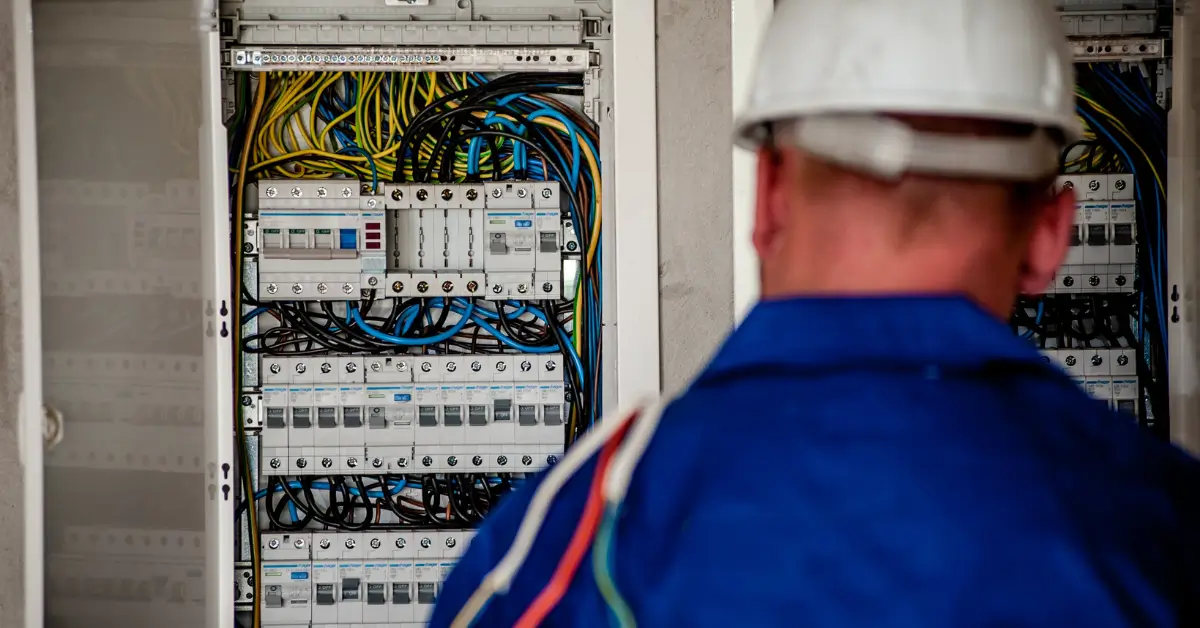
- Electrical hazards: Water conducts electricity. DIYers may not know how to safely turn off circuits or handle wet wiring. Serious injury or fire can result.
Professionals are trained to evaluate water categories (clean, gray, black), wear appropriate protective gear and mitigate hazards.
Insurance and Liability Considerations
Insurance policies typically require homeowners to mitigate damage promptly. If you attempt DIY repairs and fail to dry the structure properly, your insurer may argue that you did not fulfill your obligation to prevent further damage. Claims adjusters rely on documentation—photos, moisture readings, receipts—to determine coverage. Professional restoration companies provide detailed reports and drying logs that support your claim. Without this documentation, you risk delays or denials.
Cost Comparison: DIY vs. Professional
At first glance, renting a dehumidifier and buying fans may seem cheaper than hiring a restoration company. However, incomplete drying can lead to hidden moisture and mold, resulting in:
- Mold remediation costs: Removal of mold‑infested materials and specialized cleaning can run into thousands of dollars.
- Structural repairs: Replacing warped floors, rotten studs and sagging ceilings is far more expensive than drying them correctly in the first place.
- Health expenses: Medical bills for treating respiratory illnesses or allergies caused by mold exposure can add up.
- Lower resale value: A history of water damage and mold can reduce your home’s market value, offsetting any savings from DIY cleanup.
In contrast, professional restoration often costs less than the sum of these long‑term expenses. Plus, many homeowners policies cover professional services (minus deductibles) when damage is sudden and accidental.
What Professionals Bring to the Table
Professional water damage restoration companies offer significant advantages:
- 24/7 emergency response: Offers 24/7 service, arriving quickly even in remote parts of West Virginia.
- Specialized equipment: Industrial dehumidifiers, high‑speed air movers, moisture meters and infrared cameras ensure thorough drying and detection. Air scrubbers remove airborne contaminants.
- Expertise: Certified technicians understand building science, moisture dynamics and microbiology. They know which materials can be saved and which must be removed.
- Documentation: Professionals provide moisture maps, drying logs and photographs that satisfy insurance requirements.
- Preventive measures: They apply antimicrobial agents to inhibit mold growth and advise on repairs to prevent future leaks.
Conclusion
DIY water damage cleanup may appear cost‑effective but often results in hidden moisture, mold growth, structural issues and insurance headaches. Household fans and shop vacs cannot match the power of industrial drying equipment, and untrained homeowners may expose themselves to contaminants and hazards. Professional restoration delivers rapid response, advanced tools, expertise and documentation that not only protect your home but also simplify insurance claims. In West Virginia, where humidity and older homes complicate drying, choose First Response Restoration for peace of mind and long‑term savings. Don’t let a small leak become a big problem—call in the experts.