



Introduction
Basements provide valuable living and storage space, but in a state known for its rivers and rugged terrain, they are vulnerable to flooding. Heavy rains and snowmelt can overwhelm drainage systems, while clay soils common in West Virginia retain water. Combined with aging foundation walls and frequent freeze‑thaw cycles, these factors put basements at risk. Flooding damages belongings, ruins finished basements and promotes mold growth. The good news is that many basement floods are preventable with proper maintenance and upgrades. Here’s how to keep your basement dry year‑round.
Common Causes of Basement Flooding
Understanding why basements flood is the first step in prevention:
- Heavy precipitation and snowmelt: Intense rainfall or rapid snowmelt can overwhelm gutters and downspouts, allowing water to accumulate around the foundation.
- Poor drainage: Without proper grading, water flows toward your home rather than away. Clay soils, prevalent in many parts of West Virginia, absorb water slowly and exert hydrostatic pressure on foundation walls.
- Clogged gutters and downspouts: Gutters filled with leaves and debris overflow, sending water down exterior walls and into basements. Downspouts that dump water next to the foundation contribute to basement leaks.
- Foundation cracks: Shrinking and swelling soils, settling and freeze‑thaw cycles create cracks through which water seeps.
- Sewer backups and sump pump failures: Heavy rains can overwhelm municipal sewer lines, pushing sewage into basements via floor drains. Sump pumps that lack maintenance or battery backup can fail during storms.
- Window wells and doorways: Improperly sealed basement windows and exterior doors allow water intrusion.
Essential Maintenance Tips
Preventative maintenance is the most cost‑effective way to reduce basement flooding:
- Maintain gutters and downspouts: Clean gutters at least twice a year and after major storms. Ensure downspouts extend at least 6–10 feet from the foundation to move water away. Add extenders or splash blocks to direct water further downslope.
- Grade the soil properly: The ground should slope away from your home at a rate of one inch per foot for at least six feet. Use soil (not mulch) to build up low spots and check grading annually.
- Install window well covers: Window wells can fill with leaves, snow and water. Installing clear covers keeps debris out and diverts rain away.
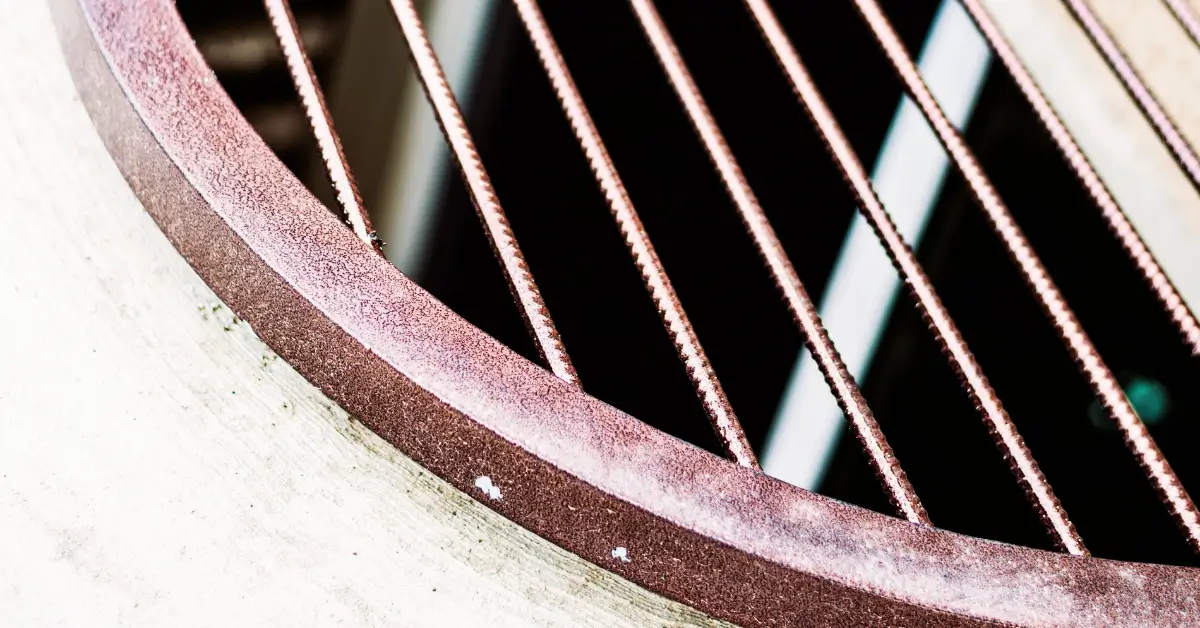
- Seal cracks and penetrations: Inspect foundation walls annually and seal small cracks with hydraulic cement or epoxy. Caulk around pipes and conduits entering the basement.
- Improve landscaping: Avoid planting water‑loving shrubs near the foundation. Consider installing swales or French drains to channel runoff around your home. Build low berms or rain gardens to slow and absorb runoff.
Sump Pumps and Battery Backups
A properly functioning sump pump is your basement’s first line of defense against groundwater intrusion. It collects water in a sump pit and pumps it away from the house. To ensure reliability:
- Choose the right pump: Submersible pumps sit inside the sump pit and are quieter; pedestal pumps sit above the pit and are easier to service. Make sure your pump’s capacity matches the amount of water your home experiences during storms.
- Test regularly: Pour water into the pit to ensure the pump turns on and discharges water correctly. Perform this test every few months and before forecasted heavy rains.
- Install a battery backup: FEMA recommends adding a battery‑powered backup pump so that your system continues working during power outages. Some systems use rechargeable batteries, while others connect to home generators.
- Maintain the pit and float: Keep the pit free of debris and ensure the float switch moves freely.
Backflow Valves and Standpipes
In communities where sewer lines are at risk of backing up during storms, backflow valves and standpipes are essential. A backflow valve installs on the main sewer line and closes when the system becomes overloaded, preventing sewage from entering your home. A standpipe is a vertical pipe attached to a floor drain; during heavy rain, water rises in the standpipe instead of flooding the basement. FEMA’s mitigation guide recommends these devices to prevent sewer backups.
Waterproofing and Drainage Solutions
Beyond maintenance, more extensive waterproofing may be necessary:
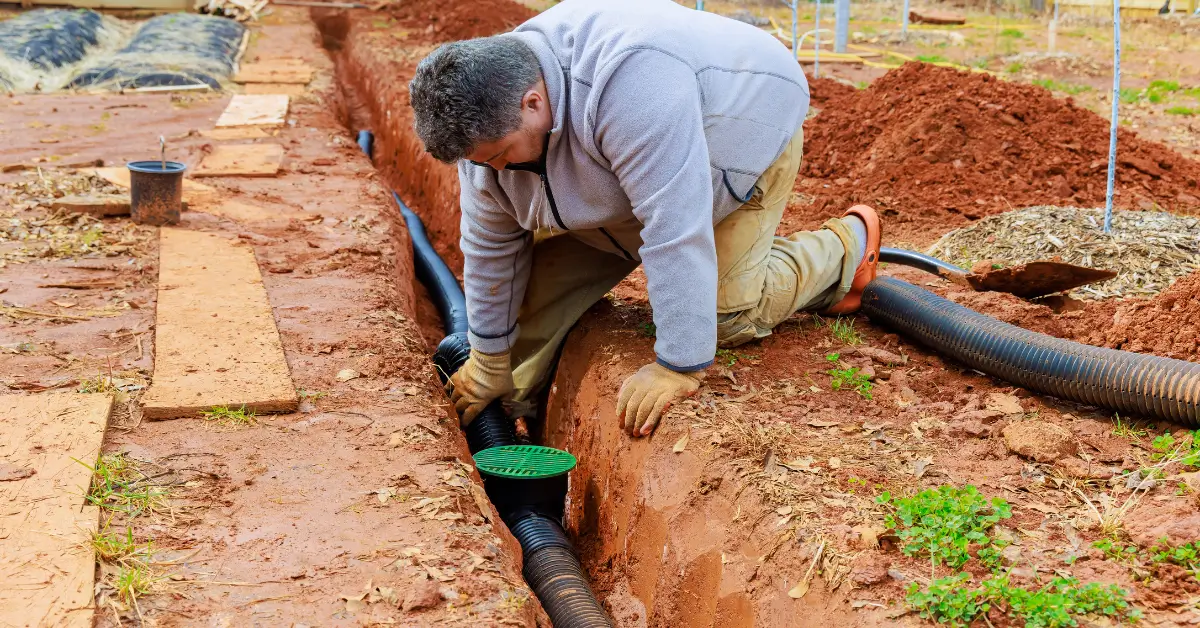
- Interior drainage systems: A perforated pipe installed along the interior perimeter of the basement collects water seeping through walls and directs it to the sump pit.
- Exterior waterproofing: Excavating around the foundation, applying waterproof membranes and installing drainage tiles prevent water from penetrating walls. This is more expensive but effective for chronic issues.
- French drains: Trenches filled with gravel and perforated pipe divert surface water away from the foundation. These can be installed in yards or along driveways.
- Dehumidifiers: A basement dehumidifier reduces humidity and condensation, preventing mold growth.
Protecting Mechanical and Electrical Systems
Flooded basements often damage furnaces, water heaters, washers and dryers. FEMA advises raising or relocating mechanical equipment above potential flood levels. If moving equipment isn’t feasible, place them on platforms or concrete blocks. Electrical panels and outlets in basements should be installed at least 12 inches above the floor. If you finish your basement, choose moisture‑resistant insulation and flooring.
West Virginia‑Specific Considerations
The Mountain State’s unique topography and climate require extra attention:
- Hillside runoff: Homes built on slopes often face water flowing toward the structure. Installing swales, retaining walls and drainage channels can intercept and redirect runoff.
- Clay soils: Clay holds water and swells when wet, putting pressure on foundation walls. Proper grading, exterior waterproofing and interior drainage relieve this pressure.
- Freeze‑thaw cycles: Winter cold causes soil to freeze and thaw, widening cracks. Seal cracks before winter and consider flexible sealants that accommodate movement.
- Local ordinances: Some West Virginia municipalities require permits for major drainage work. Check with local authorities before installing backflow valves or exterior drains.
Working with local professionals familiar with West Virginia’s soil types and building practices ensures that solutions are tailored to your home’s needs.
Conclusion
Basement flooding is not inevitable. By maintaining gutters, grading soil, sealing cracks, installing sump pumps and backflow valves and taking West Virginia’s unique conditions into account, you can drastically reduce your risk. When in doubt, seek advice from specialists who understand local geology and weather patterns. First Response Restoration not only responds to flood emergencies but also provides consultations on basement waterproofing and drainage improvements. Protect your lower level today and enjoy a dry, healthy basement for years to come.