


Introduction
Mopping up a puddle doesn’t mean your home is dry. Water is persistent; it seeps through cracks, wicks up drywall, saturates insulation and hides beneath flooring. In the humid climate of West Virginia, that residual moisture is the perfect breeding ground for mold, mildew and wood rot. Professional drying services are not just about convenience; they are about preserving the integrity and safety of your home. Let’s explore why hidden moisture is so dangerous, what professionals do differently and why hiring experts is one of the smartest investments you can make after water damage.
Why Moisture Lingers and the Damage It Causes
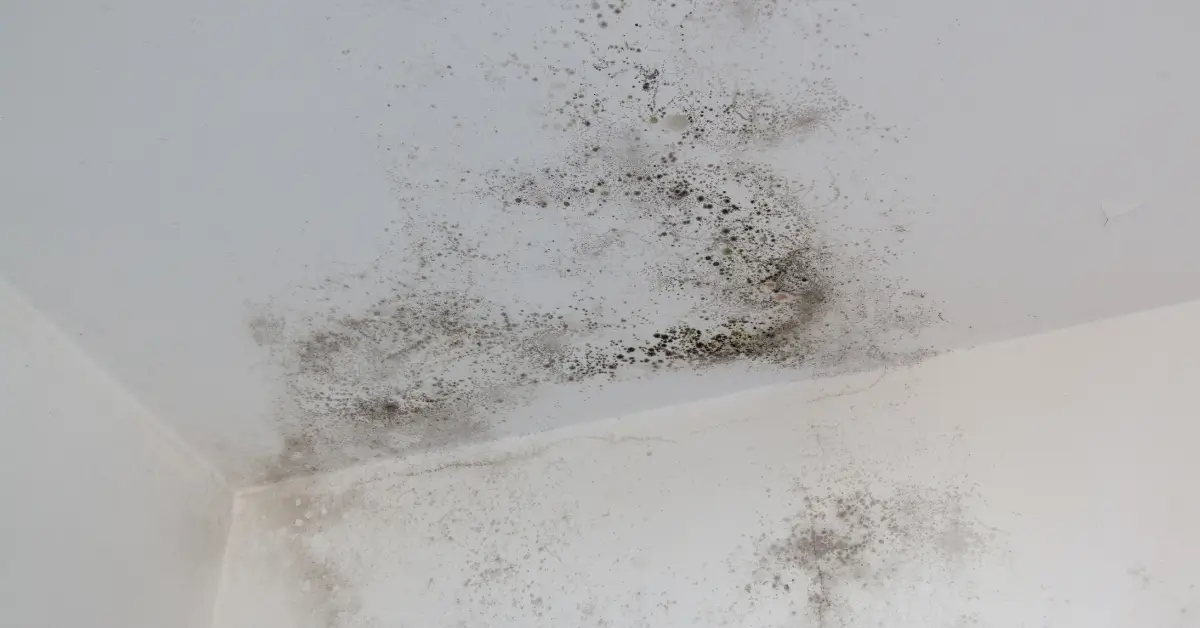
When a pipe bursts or a roof leaks, water quickly spreads beyond what you can see. Porous materials like drywall and wood absorb water like sponges. This trapped moisture evaporates slowly and may not be evident on the surface. If left undetected, it can lead to severe problems:
- Mold growth: Mold spores need moisture to grow, and they can colonize damp materials in as little as 24 hours. Once established, mold can cause allergic reactions, asthma flare‑ups and other health issues.
- Structural decay: Moisture breaks down cellulose and other organic compounds in wood, weakening studs, subfloors and framing. Prolonged exposure leads to rot, sagging floors and compromised structural integrity.
- Warped and buckled materials: Hardwood floors can cup or crown when the underside retains moisture. Drywall may bubble or crumble. Cabinets and doors can swell and become misaligned.
- Pest infestations: Damp environments attract wood‑destroying insects such as termites and carpenter ants, as well as rodents seeking water.
- Persistent odors: Microbial growth produces musty smells that linger long after visible water is gone. These odors indicate ongoing decay.
Ignoring or underestimating hidden moisture can turn a manageable cleanup into a major repair job. That’s why understanding the limitations of DIY drying is so important.
Common DIY Mistakes
After a spill, homeowners often reach for towels, mops and box fans. While these tools can remove surface water, they rarely address moisture hidden in cavities and under flooring. AdvantaClean’s water damage experts outline common mistakes that exacerbate problems:
- Using household fans instead of commercial air movers. Box fans move a limited volume of air and are not designed to create the high‑velocity airflow needed for evaporation.
- Neglecting hidden areas. Water can saturate insulation behind walls or seep under tile. Without removing baseboards or drilling small holes to release moisture, these areas remain wet.
- Failing to remove wet materials. Saturated carpets, pad and drywall become reservoirs for moisture and mold. Some homeowners delay removing them due to cost or sentimental value, but that can lead to more extensive demolition later.
- Not monitoring humidity. Without hygrometers or moisture meters, you can’t tell if materials are drying or if humidity remains high. High humidity slows evaporation and promotes mold.
- Stopping too soon. Surfaces may feel dry while the interior is still wet. Ending the drying process prematurely allows moisture to resurface later, causing odors and damage.
These mistakes highlight why “DIY and done” isn’t enough when dealing with significant water damage.
Professional Drying Tools and Techniques
Professional restorers use a coordinated system of equipment to create an optimal drying environment:
- Industrial dehumidifiers: These machines pull moisture from the air at a much greater rate than household units. Desiccant dehumidifiers, mentioned in a DryBoston technology article, are particularly effective in cool or damp environments. They use a silica gel or other desiccant material to adsorb moisture, making them ideal for basements and crawl spaces.
- High‑speed air movers: Powerful fans create a “drying tunnel” across surfaces, promoting rapid evaporation. When used in conjunction with dehumidifiers, they prevent moisture from recondensing on materials.
- Moisture meters and hygrometers: Professionals measure moisture content in wood, drywall and other building materials with pin or pinless meters. Hygrometers track ambient relative humidity. These instruments ensure that drying targets are met.
- Infrared thermal imaging cameras: These devices detect temperature variations behind surfaces that indicate hidden moisture. Because wet materials cool more slowly than dry ones, technicians can map out areas of concern without tearing down walls.
- Containment and ventilation: Technicians may set up plastic barriers to isolate affected areas and use HEPA‑filtered air scrubbers to remove airborne contaminants and odors. Ozone generators or antimicrobial foggers might be used to neutralize persistent smells.
The combination of moisture detection, controlled airflow and humidity reduction makes professional drying far more effective than consumer‑grade efforts.
Benefits of Professional Drying
Investing in professional drying yields multiple benefits:
- Speed: Industrial equipment removes moisture faster than household tools, reducing the time your home is exposed to high humidity and the risk of mold growth.
- Comprehensive drying: Moisture meters and thermal cameras ensure that hidden dampness is located and addressed, preventing future damage.
- Prevention of secondary damage: Thorough drying prevents structural decay, warping and pest infestations. It also reduces the likelihood of persistent musty odors.
- Improved indoor air quality: Air scrubbers and antimicrobial treatments remove airborne mold spores and bacteria, making your home safer, especially for those with asthma or allergies.
- Insurance documentation: Professional restorers document moisture readings, drying progress and actions taken, which insurers often require. Without proper documentation, claims may be delayed or denied.
- Peace of mind: Knowing that trained experts are handling the situation alleviates stress and ensures the job is done right the first time.
Why DIY Isn’t Enough in West Virginia
West Virginia’s climate poses unique challenges. Our humid summers mean that ambient moisture levels remain high, which can slow evaporation. Many homes are older, with plaster walls and wood trim that are more prone to retaining moisture. Crawl spaces, basements and mountain cabins often lack proper ventilation. Without professional equipment, it’s nearly impossible to dry these areas fully. Additionally, remote locations can make it hard to rent specialized gear quickly. First Response Restoration’s teams are stationed throughout the state and carry the necessary dehumidifiers, air movers and detection tools to handle both urban and rural properties.
How First Response Restoration Delivers Superior Drying
First Response Restoration’s drying protocols are based on IICRC standards and decades of experience. Upon arrival, technicians conduct a moisture survey using pinless meters and infrared cameras. They use that information to set up the right number of industrial dehumidifiers and air movers, ensuring balanced airflow and humidity removal. For example, a flooded basement in Martinsburg might require desiccant dehumidifiers due to cool temperatures, while a kitchen leak in Beckley might call for refrigerant units.
Technicians also create drying logs that record temperature, humidity and moisture readings at regular intervals. This documentation not only guides adjustments to equipment placement but also provides proof for insurance adjusters. If mold growth is suspected, they apply antimicrobial treatments and may set up air scrubbers. Once drying goals are achieved, they remove equipment and perform a final inspection.

Conclusion and Call to Action
Drying out after water damage is not a matter of simply waiting for things to air‑dry; it’s a precise science that requires the right tools and knowledge. Hidden moisture threatens the integrity of your home and your family’s health. By understanding the limitations of DIY methods and the benefits of professional drying, you can make an informed decision that protects your investment. In the Mountain State, where humidity, older construction and challenging terrain complicate drying, partnering with First Response Restoration ensures your home is thoroughly and efficiently dried. Don’t leave long‑term damage to chance—call the professionals and rest easy knowing your home is in good hands.